

How Interactive Media Blurs the Line Between Viewer and Player
Interactive media refers to digital content that allows users to participate rather than consume passively. Unlike traditional films or television, interactive media responds to user choices, creating dynamic experiences that evolve based on engagement. Video games, interactive films, augmented reality experiences, and immersive storytelling platforms exemplify this category. By integrating user input into the narrative or gameplay, interactive media transforms the audience from observers into participants. This shift challenges conventional notions of storytelling and entertainment, fundamentally altering how content is experienced and perceived.
Engaging Audiences Through Choice and Agency
A defining feature of interactive media is the empowerment of audiences to influence outcomes. In interactive films or narrative-driven games, viewers make decisions that shape plot progression, character development, or environmental responses. This sense of agency fosters deeper emotional engagement, as users feel directly responsible for the consequences of their choices. By encouraging active participation, interactive media blurs the boundary between watching and playing, creating personalized, emotionally resonant experiences. This interactivity transforms traditional spectatorship into collaborative storytelling.
Enhancing Immersion Through Multisensory Experiences
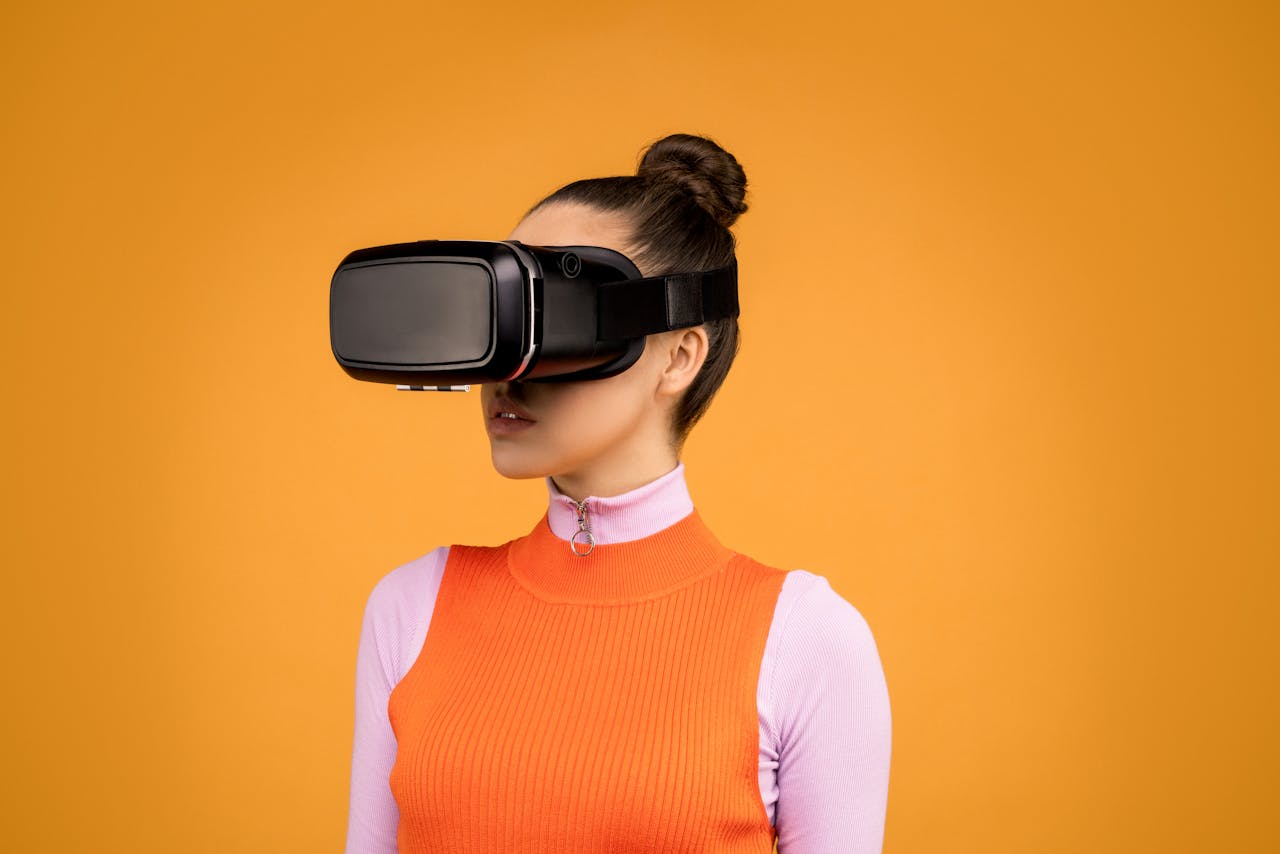
Interactive media often employs audiovisual, tactile, and spatial elements to enhance immersion. Virtual reality and augmented reality platforms, for example, place users within the environment, allowing them to navigate spaces, manipulate objects, and respond to stimuli in real time. Even non-VR interactive films use branching narratives, timed choices, and responsive sound design to create the perception of agency. These multisensory experiences encourage users to act rather than observe, further dissolving the traditional distinction between viewer and player. Immersion becomes a participatory process in which the user’s engagement shapes the experience itself.
Redefining Narrative Structures
Traditional linear narratives are often replaced in interactive media by branching or modular storytelling. Multiple possible outcomes, alternative perspectives, and adaptive storylines require users to make decisions that influence the progression of events. This structure challenges conventional storytelling, where the audience typically follows a predetermined path. In interactive media, the line between creator and consumer is less distinct, as the user’s input directly affects the narrative. The flexibility of this format encourages experimentation and replay ability, highlighting how interaction transforms storytelling.
Building Community and Shared Experience
Interactive media also fosters social engagement, further blurring the roles of viewer and player. Multiplayer games, collaborative storytelling platforms, and live-streamed interactive content allow participants to collectively influence experiences. Spectators can even contribute to outcomes in real time, such as voting on narrative choices or assisting players during gameplay. This participatory model creates hybrid roles in which audiences simultaneously observe, influence, and engage, reshaping the relationship between content creators and consumers and encouraging shared, dynamic experiences.
Interactive media fundamentally alter the boundary between viewer and player by prioritizing user agency, immersive environments, adaptive narratives, and community participation. By transforming passive consumption into active engagement, it redefines storytelling, entertainment, and audience interaction. As technology continues to evolve, the integration of choice, sensory immersion, and collaborative elements will further dissolve traditional distinctions, establishing a media landscape in which audiences are co-creators of their experiences. Interactive media exemplifies a shift toward participation, interactivity, and shared exploration of narrative.…
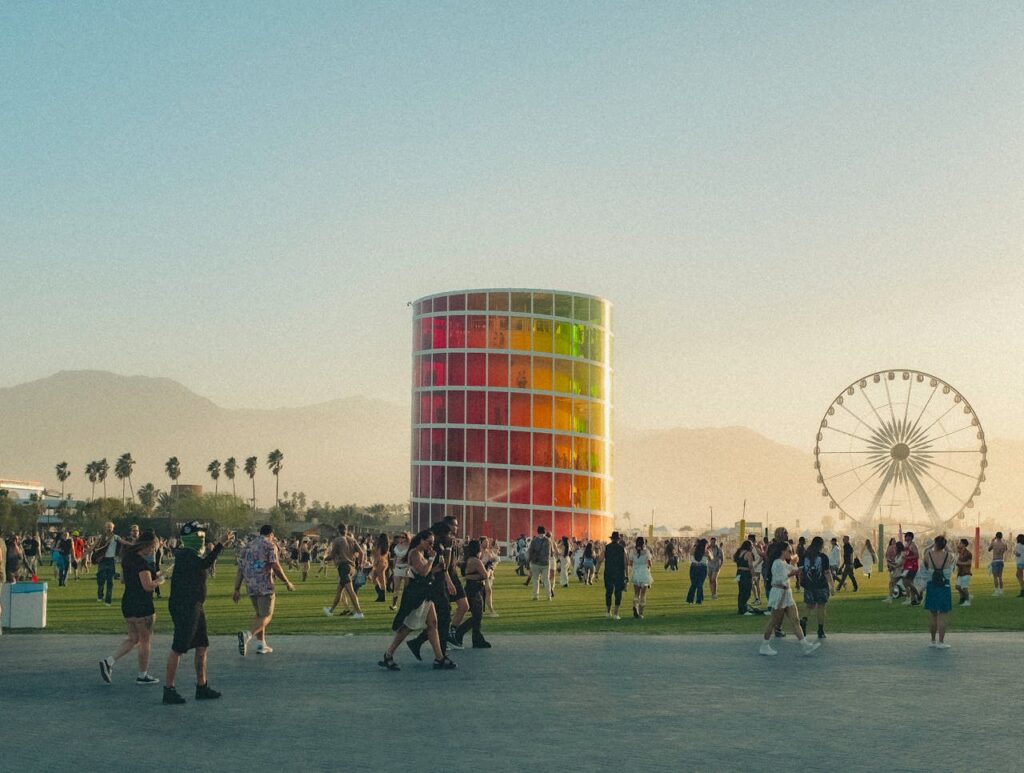
 The Coachella experience is unlike any other. Picture this: sprawling fields, stunning art installations, and a lineup that features both legendary icons and emerging talent. From the moment you step onto the festival grounds, you’re enveloped in a whirlwind of sights and sounds.
 When it comes to festival fashion, accessories can make or break your look. A wide-brimmed hat is a stylish shield against the sun. It adds flair while keeping you cool throughout the day. Sunglasses are non-negotiable for any outdoor event. Go for oversized frames or funky shapes that match your vibe.



 Choosing the perfect seats for a Broadway show can make a huge difference in your overall experience. First and foremost, it’s important to consider your budget when selecting seats. Premium orchestra or front-row tickets may provide an unobstructed view of the stage, but they often come with a hefty price tag.
 An important aspect of attending a Broadway show is planning what to wear. While there is no strict dress code, it’s generally recommended to dress up a bit for the occasion. However, this doesn’t have to mean wearing a formal gown or tuxedo. When choosing an outfit, consider the venue and time of day.

 Regarding home entertainment services, one of the biggest mistakes you can make is signing a long-term contract. While it may seem like a good idea at the time, you could end up paying for something you no longer use or want.
 If you’re hosting an in-person event, one of the first steps is to decide on the location for your college graduation party. Consider factors such as size, cost, and convenience when choosing the ideal spot for your gathering.
 Decorations are a must-have for any successful graduation party. So remember to pick up balloons, streamers, and confetti to help dress up the venue.

 One way to throw a successful party is to hire professionals who can provide you with everything from decorations and entertainment to food and beverages. This will help ensure that all the details are covered, leaving you free to focus on having fun with your friends.
 The last way to create a successful party is to create a fun atmosphere. Make sure you provide plenty of games, activities, and entertainment to keep guests engaged and having a good time. This can include anything from playing music, hosting trivia contests, or setting up an outdoor movie night. Whatever it is, make sure you provide your friends with something that will get them laughing, smiling, and having a blast. You can set a prize for the winner to motivate everyone to join the game. Make sure you have a great game selection that everybody can play together.